


Understanding Water Well Maintenance For Homeowners
- Lillian Rudnicki
- Sep 28, 2025
- 4 min read

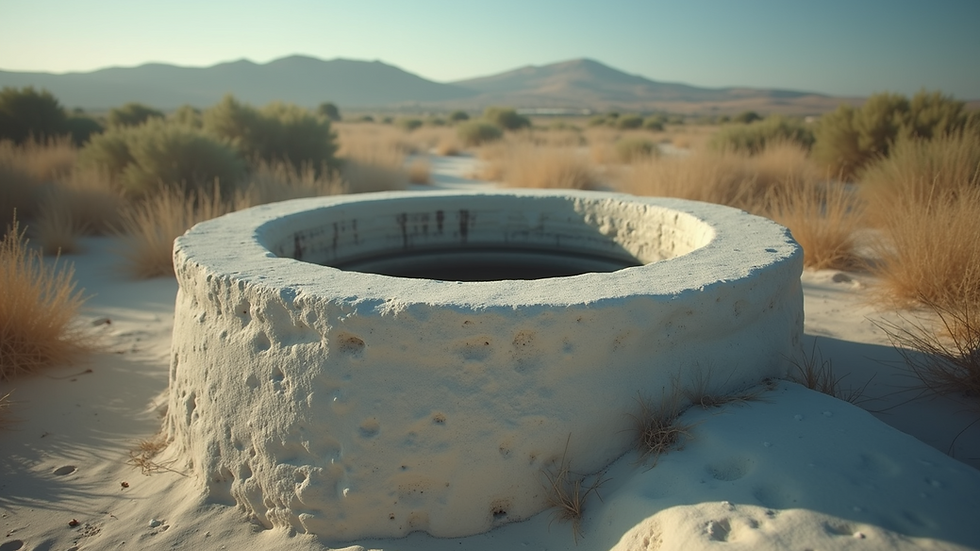
Water wells are a vital resource for many homeowners, especially those living in rural areas. They provide a reliable source of water for drinking, cooking, and irrigation. However, maintaining a water well is crucial to ensure its longevity and efficiency. In this post, we will explore the essential aspects of water well maintenance, helping you keep your well in top shape.
Why Water Well Maintenance Matters
Proper maintenance of your water well is essential for several reasons. First, it ensures the safety of your drinking water. Contaminated water can lead to serious health issues. Second, regular maintenance can extend the life of your well, saving you money in the long run. Lastly, a well-maintained system operates more efficiently, providing you with a consistent water supply.
Understanding Your Water Well System
Before diving into maintenance tips, it is important to understand the components of your water well system. A typical water well consists of:
Well casing: This is the pipe that protects the well from contamination.
Pump: The pump draws water from the well and delivers it to your home.
Pressure tank: This tank stores water and maintains pressure in the system.
Each component plays a crucial role in the overall function of your well. Knowing how they work together can help you identify potential issues.
Regular Inspections
One of the best ways to maintain your water well is through regular inspections. You should check your well at least once a year. During the inspection, look for:
Visible damage: Check the well casing for cracks or corrosion.
Signs of contamination: Look for any nearby sources of pollution, such as septic tanks or chemical storage.
Pump performance: Ensure the pump is functioning correctly and providing adequate water pressure.
If you notice any issues during your inspection, it is best to contact a professional for further evaluation.
Water Testing
Testing your water is another critical aspect of well maintenance. You should test your water at least once a year for contaminants such as bacteria, nitrates, and heavy metals. Many local health departments offer testing services, or you can purchase a home testing kit.
If your water tests positive for contaminants, take immediate action. This may involve shock chlorination or installing a filtration system. Always prioritize the safety of your drinking water.
Keeping the Area Around Your Well Clean
The area surrounding your well is just as important as the well itself. Keeping this area clean can prevent contamination. Here are some tips:
Clear debris: Remove leaves, dirt, and other debris from around the well.
Maintain distance: Keep any chemicals, fertilizers, or septic systems at least 50 feet away from your well.
Proper drainage: Ensure that water drains away from the well to prevent flooding.
By maintaining a clean area around your well, you can significantly reduce the risk of contamination.
Pump Maintenance
Your well pump is a critical component of your water system. Regular maintenance can help prevent costly repairs. Here are some tips for pump maintenance:
Check the pressure tank: Ensure the pressure tank is functioning correctly. A faulty tank can lead to inconsistent water pressure.
Listen for unusual sounds: If your pump is making strange noises, it may indicate a problem.
Monitor water levels: Keep an eye on the water levels in your well. If they drop significantly, it may be time to consult a professional.
Regular pump maintenance can help you avoid unexpected breakdowns and ensure a steady water supply.
Seasonal Maintenance
Seasonal changes can impact your water well. Here are some maintenance tasks to consider for each season:
Spring
Inspect for winter damage: Check for any damage caused by freezing temperatures.
Test water quality: Spring is a great time to test your water after winter.
Summer
Monitor water usage: During hot months, you may use more water. Keep an eye on your well levels.
Check for algae growth: Warm weather can lead to algae in the well. If you notice any, contact a professional.
Fall
Prepare for winter: Ensure your well is ready for colder temperatures. Insulate any exposed pipes.
Test for contaminants: Fall is another good time to test your water.
Winter
Prevent freezing: Insulate your well and pipes to prevent freezing.
Monitor water levels: Keep an eye on your well levels during winter months.
By performing seasonal maintenance, you can keep your well in good condition year-round.
Professional Help
While many maintenance tasks can be done by homeowners, some situations require professional help. If you notice any significant issues, such as:
Low water pressure: This could indicate a problem with the pump or well.
Contaminated water: If your water tests positive for harmful substances, seek professional assistance.
Visible damage: Cracks or corrosion in the well casing should be addressed by a professional.
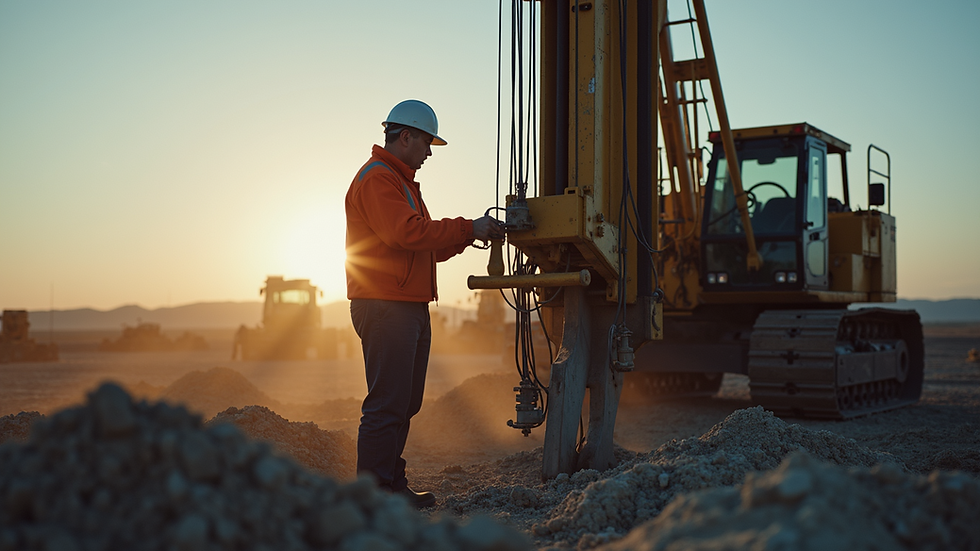
Hiring a qualified well technician can save you time and money in the long run.
Conclusion: Keeping Your Well Healthy
Maintaining your water well is essential for ensuring a safe and reliable water supply. By following these tips, you can keep your well in excellent condition. Regular inspections, water testing, and seasonal maintenance are key to preventing issues. Remember, when in doubt, do not hesitate to seek professional help. A well-maintained water well will serve you and your family for years to come.

Comments