


How Water Fracking Improves Well Efficiency
- Lillian Rudnicki
- Sep 28, 2025
- 5 min read

Water fracking, or hydraulic fracturing, has become a hot topic in the energy sector. This method has transformed how we extract oil and gas from the ground. But how does it actually improve well efficiency? In this post, we will explore the ins and outs of water fracking, its benefits, and how it enhances the overall efficiency of wells.
Water fracking involves injecting high-pressure water mixed with sand and chemicals into underground rock formations. This process creates fractures in the rock, allowing oil and gas to flow more freely. The result is a significant increase in the amount of resources that can be extracted from a well.
Let’s dive deeper into the various aspects of water fracking and its impact on well efficiency.
Understanding Water Fracking
Water fracking is not a new concept. It has been used for decades, but its popularity surged in the early 2000s. The combination of horizontal drilling and hydraulic fracturing has made it possible to access previously unreachable oil and gas reserves.
The Process of Water Fracking
Preparation: Before fracking begins, companies conduct extensive geological surveys to identify the best locations for drilling.
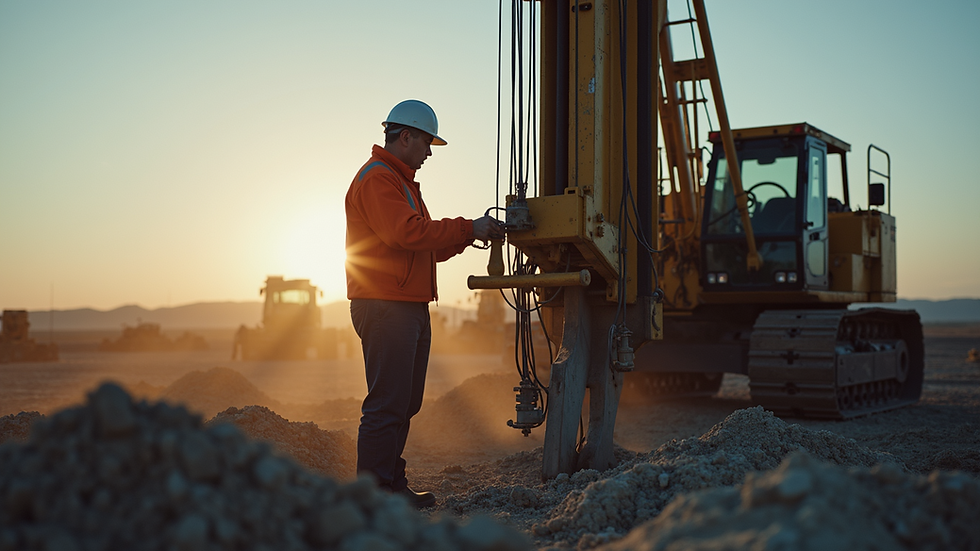
Drilling: A well is drilled vertically and then horizontally into the rock formation. This allows access to a larger area of the reservoir.
Fracturing: High-pressure water is injected into the well. This water is mixed with sand and chemicals to help keep the fractures open.
Production: Once the fractures are created, oil and gas can flow more easily to the surface. The well is then monitored for efficiency.
This process is crucial for improving well efficiency. By creating fractures in the rock, more oil and gas can be extracted than through traditional drilling methods.
Benefits of Water Fracking
Water fracking offers several benefits that contribute to improved well efficiency. Here are some key advantages:
Increased Resource Recovery
One of the most significant benefits of water fracking is the increased recovery of oil and gas. Traditional drilling methods often leave a large percentage of resources trapped in the rock. Fracking allows for a more thorough extraction process, leading to higher yields.
Cost-Effectiveness
While the initial costs of fracking can be high, the long-term savings are substantial. By increasing the amount of oil and gas extracted, companies can offset their initial investments. This makes fracking a cost-effective solution for resource extraction.
Reduced Environmental Impact
When done responsibly, water fracking can have a lower environmental impact compared to traditional drilling methods. The ability to access resources from a single well reduces the need for multiple drilling sites, minimizing land disruption.
Job Creation
The fracking industry has created thousands of jobs in various sectors, from drilling to transportation. This economic boost is vital for many communities, especially in rural areas where job opportunities may be limited.
How Water Fracking Enhances Well Efficiency
Now that we understand the benefits of water fracking, let’s explore how it specifically enhances well efficiency.
Improved Flow Rates
Fracking increases the flow rates of oil and gas from wells. This means that resources can be extracted more quickly and efficiently. Higher flow rates lead to faster returns on investment for companies.
Extended Well Life
Fracked wells often have a longer productive life compared to traditional wells. The fractures created during the fracking process allow for continued resource extraction over an extended period. This longevity is crucial for maximizing the efficiency of each well.
Enhanced Recovery Techniques
Water fracking has led to the development of advanced recovery techniques. For example, companies can use techniques like "re-fracking," where they re-inject water into older wells to stimulate production. This innovation keeps wells productive and efficient.
Real-Time Monitoring
Modern technology allows for real-time monitoring of fracked wells. Companies can track flow rates, pressure, and other vital metrics. This data helps them make informed decisions to optimize production and improve efficiency.
Case Studies: Success Stories in Water Fracking
To illustrate the effectiveness of water fracking, let’s look at a few case studies where this method has significantly improved well efficiency.
Case Study 1: The Barnett Shale
The Barnett Shale in Texas is one of the most famous examples of successful water fracking. This area has seen a dramatic increase in natural gas production since the introduction of hydraulic fracturing. The combination of horizontal drilling and fracking has allowed companies to extract gas from previously inaccessible formations.
Case Study 2: The Marcellus Shale
In the northeastern United States, the Marcellus Shale has become a hotspot for natural gas production. Water fracking has enabled companies to tap into vast reserves, leading to increased production and job creation in the region. The efficiency of wells in this area has improved significantly due to advanced fracking techniques.
Case Study 3: The Eagle Ford Shale
The Eagle Ford Shale in Texas is another success story. Fracking has transformed this region into one of the most productive oil fields in the country. The efficiency of wells has skyrocketed, with companies reporting higher production rates and lower costs.
Addressing Concerns About Water Fracking
While water fracking has many benefits, it is not without its concerns. Environmentalists and local communities often raise issues related to water usage, chemical contamination, and seismic activity. It is essential to address these concerns to ensure responsible fracking practices.
Water Usage
Fracking requires a significant amount of water, which can strain local water supplies. Companies must implement water conservation measures and explore alternative water sources to mitigate this issue.
Chemical Contamination
The chemicals used in fracking fluids can pose risks to groundwater. It is crucial for companies to disclose the chemicals they use and adhere to strict regulations to protect water sources.
Seismic Activity
There have been reports of increased seismic activity in areas where fracking occurs. Companies must monitor seismic activity and take precautions to minimize risks.
The Future of Water Fracking
As technology continues to advance, the future of water fracking looks promising. Innovations in drilling techniques, water recycling, and monitoring systems will likely enhance well efficiency even further.
Sustainable Practices
The industry is moving towards more sustainable practices. Companies are exploring ways to reduce water usage and minimize environmental impact. This shift will help ensure that water fracking remains a viable option for resource extraction.
Continued Research
Ongoing research into the effects of fracking will provide valuable insights. Understanding the long-term impacts on the environment and communities will help shape future regulations and practices.
Wrapping It Up: The Impact of Water Fracking on Well Efficiency
Water fracking has revolutionized the way we extract oil and gas. Its ability to improve well efficiency is undeniable. By increasing resource recovery, reducing costs, and extending well life, fracking has become a crucial method in the energy sector.
As we move forward, it is essential to balance the benefits of water fracking with responsible practices. By addressing concerns and embracing sustainable methods, we can ensure that this technology continues to thrive while protecting our environment and communities.

In conclusion, water fracking is not just a method of extraction; it is a game-changer for the energy industry. Its impact on well efficiency is profound, and as we continue to innovate, the potential for even greater improvements is on the horizon.
Comments